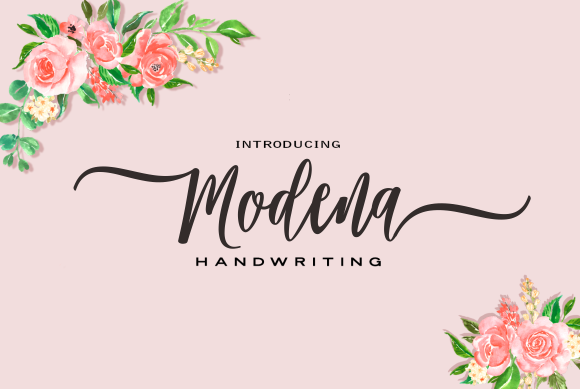
Modena: A Script Font for Dynamic Web Design
The Unique Personality of Modena
Modena is a handwriting font with an irregular writing style that brings a sense of authenticity and character to any design. Its fluid, organic curves and subtle variations in stroke weight give it a handcrafted feel, making it stand out in a sea of digital typography. As a web designer, I've found that Modena’s personality aligns well with creative and brand-focused projects where a touch of uniqueness is essential.
How Modena Enhances Web Design
When used thoughtfully, Modena can elevate the visual hierarchy of a website. Its bold, expressive strokes make it ideal for headers and hero sections, drawing users’ attention immediately. For landing pages or product sales pages, Modena adds a layer of sophistication and creativity that can help differentiate your brand from competitors.
Modena also supports conversion-focused layouts by adding a sense of warmth and approachability. Whether it's used for call-to-action buttons or short promotional phrases, its legible structure ensures that readability isn’t compromised, even in high-traffic areas.
Using Modena in Brand-Focused Web Experiences
For online stores, Modena can be a powerful tool in creating a cohesive brand identity. It works especially well on boutique websites or creative portfolios where a distinctive typeface can reinforce a brand’s artistic values. Pairing Modena with a clean sans serif font for body text creates a balance between visual interest and clarity.
On course pages or blog headers, Modena can set the tone for content that’s both engaging and professional. Its versatility allows it to fit into a wide range of design scenarios, from editorial-style layouts to modern, minimalistic interfaces.
Readability and Layout Considerations
While Modena is visually striking, it’s important to consider how it performs across different screen sizes and backgrounds. On mobile devices, using Modena for short phrases or buttons is more effective than for long blocks of text. Ensuring sufficient contrast between the font and background—especially on dark or image-heavy pages—is crucial for maintaining readability.
For responsive layouts, pairing Modena with a reliable sans serif font for body copy helps maintain a consistent reading experience. This combination not only enhances usability but also supports a balanced visual rhythm across all device types.
Font Pairing and Design Flexibility
Modena’s script nature makes it an excellent choice for decorative accents or logo text. However, it’s not always the best option for every part of a layout. When designing for a more formal or professional audience, pairing Modena with a simple serif or sans serif font can create a more refined look.
In editorial or packaging design, Modena can serve as a display font while a secondary font handles the supporting text. This approach ensures that the design remains visually appealing without overwhelming the user with too much stylistic variation.
Practical Tips for Using Modena
Before implementing Modena in a project, check the included styles, file formats, and webfont availability. Ensure that the font supports the necessary languages and characters for your target audience. Also, verify that the license allows for commercial use, especially if you’re working on client projects or launching an online store.
When using Modena in digital assets like banners or social media graphics, keep the text concise. The font’s unique style shines best when paired with clear, impactful messaging. Avoid overusing it in multiple sections of a page to maintain visual consistency and prevent clutter.
Modena in Action: Real-World Applications
Imagine using Modena for a creative portfolio site. Its handwritten style reinforces the artist’s personal touch, while a clean sans serif font for body copy ensures that the content remains easy to read. On a boutique online store, Modena can be used for product titles and promotional banners, creating a cohesive and stylish shopping experience.
For a coaching website, Modena can add a sense of trust and approachability to the header, while a simpler font is used for instructional content. In a course sales page, the font’s expressive quality can help convey the value of the course in a more engaging way.
Conclusion
Modena is more than just a beautiful font—it’s a versatile tool that can enhance the visual appeal and functionality of digital projects. Whether you're designing a landing page, a branded website, or a digital ad, Modena offers a unique blend of style and usability that can elevate your work. By understanding its strengths and limitations, you can leverage Modena to create compelling, user-friendly designs that resonate with your audience.